Many property owners ask the same question before cleaning outdoor surfaces: Can pressure washing damage a driveway or patio? Pressure washing is one of the most effective ways to remove dirt, moss, algae and grime. However, when used incorrectly, it can also cause damage to certain materials.
Driveways and patios face constant exposure to weather, traffic and organic growth. As a result, they gradually accumulate stains, dirt and slippery algae. Pressure washing can restore these surfaces quickly, but the process must be done carefully.
This guide explains when pressure washing is safe, when it can cause damage and how to clean outdoor surfaces correctly. Understanding these factors helps homeowners protect their paving while still achieving a thorough clean.
Why Pressure Washing Is Commonly Used for Exterior Cleaning
Pressure washing uses a powerful jet of water to remove contamination from outdoor surfaces. Because the water is delivered at high pressure, it can lift dirt and organic growth far more effectively than standard hose washing.
Effective Removal of Dirt and Algae
Outdoor surfaces frequently develop layers of grime. Moss, algae and lichen often grow on driveways and patios, especially in damp or shaded areas.
Pressure washing breaks apart these contaminants and flushes them away. As a result, the surface can return to a cleaner and brighter condition.
Faster Cleaning of Large Areas
Driveways, patios and pathways often cover large areas. Cleaning these spaces manually would take significant time and effort.
Pressure washing allows large surfaces to be cleaned quickly and evenly. Therefore, it has become a popular method for both homeowners and professional exterior cleaning companies.
Restoration of Kerb Appeal
A dirty driveway or patio can affect the overall appearance of a property. Stains, algae and weather marks often make outdoor areas look neglected.
Pressure washing can dramatically improve the appearance of these surfaces. Consequently, many homeowners use it to restore kerb appeal before selling a property or preparing outdoor spaces for summer.
When Pressure Washing Can Cause Damage
Although pressure washing is highly effective, problems can occur if the equipment is used incorrectly. The pressure produced by these machines is extremely powerful, and some surfaces cannot withstand excessive force.
Erosion of Paving Surfaces
One of the most common issues is surface erosion. When water pressure is too strong, it can gradually wear away the top layer of paving materials.
This is particularly common with softer stone surfaces. Over time, repeated high-pressure washing can make paving appear rough or uneven.
Damage to Jointing and Mortar
Driveways and patios often rely on jointing materials to keep paving blocks stable. High-pressure water can remove this material from between the joints.
When jointing sand or mortar is lost, paving blocks may begin to shift. Eventually, this movement can create uneven surfaces or gaps between the paving.
Water Penetration Beneath Surfaces
Pressure washing can also force water into small gaps within the paving structure. If water becomes trapped beneath the surface, it may lead to future problems.
For example, trapped moisture can weaken the base layers or contribute to frost damage during winter.
Damage to Decorative Surfaces
Some paving materials include decorative coatings or textured finishes. Excessive pressure can strip these finishes away.
As a result, the surface may lose its original appearance.
Surfaces That Require Extra Care
Not all outdoor materials respond to pressure washing in the same way. Some surfaces can tolerate stronger cleaning, while others require a much gentler approach.
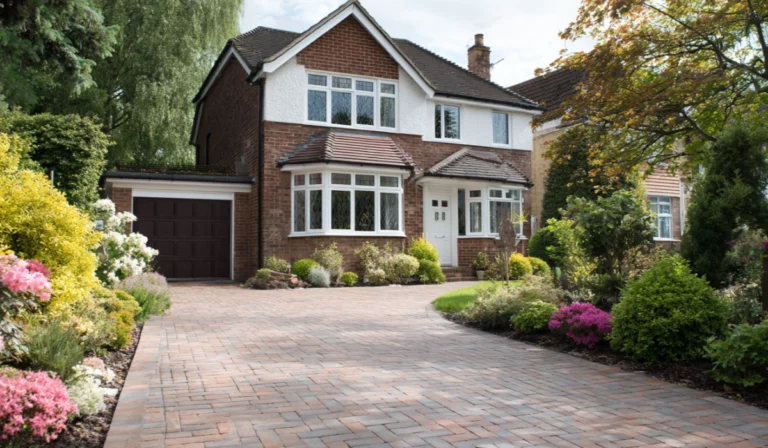
Block Paving
Block paving is generally suitable for pressure washing when the pressure is controlled. However, the cleaning process often removes the jointing sand between the blocks.
Therefore, the paving must usually be re-sanded once it has dried.
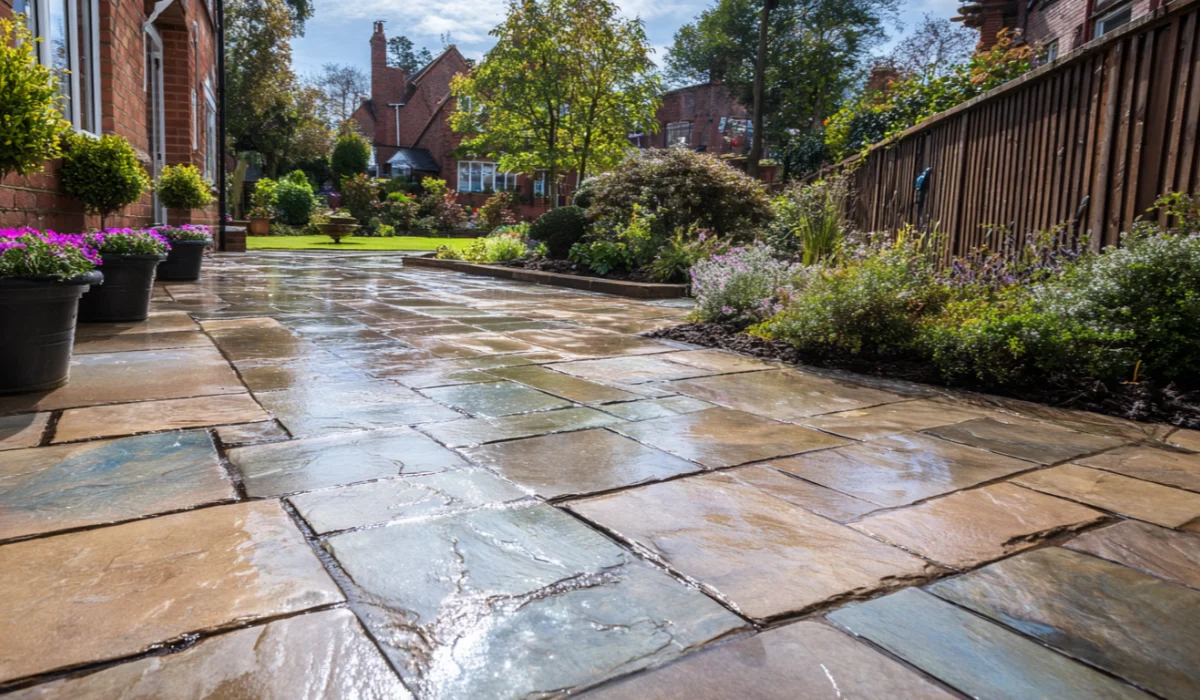
Natural Stone
Natural stone can be sensitive to high pressure. Softer stones such as sandstone may erode if the pressure is too strong.
For this reason, professionals typically use lower pressure settings or alternative cleaning methods for these materials.
Concrete and Hard Surfaces
Concrete driveways and industrial surfaces are often more durable. Consequently, they can usually tolerate stronger pressure washing.
Nevertheless, even concrete can suffer surface damage if extremely high pressure is used repeatedly.
Render and Decorative Finishes
Rendered walls and decorative finishes should rarely be cleaned with high pressure. These surfaces are much more delicate and can crack or erode easily.
Soft washing methods are usually more appropriate for these materials.
Why Professional Equipment Reduces the Risk of Damage
Professional exterior cleaning companies use specialised equipment designed to clean surfaces safely.
Adjustable Pressure Systems
Professional machines allow the operator to adjust water pressure based on the material being cleaned. This control helps prevent accidental damage.
Surface Cleaning Attachments
Many professionals use rotating surface cleaners instead of direct spray nozzles. These attachments distribute pressure evenly across the paving.
Because the pressure is spread out, the cleaning process becomes much safer.
Specialist Treatments
Cleaning treatments are often applied before pressure washing. These solutions break down moss and algae so they can be removed with lower pressure.
Consequently, the surface does not require aggressive washing.
Signs Pressure Washing Has Damaged a Surface
If pressure washing has been performed incorrectly, certain signs may appear afterwards.
Rough or Etched Surfaces
Erosion often leaves paving materials looking rough or worn. In some cases, the colour may also appear faded.
Missing Jointing Material
Large gaps between paving blocks usually indicate that jointing sand has been removed.
Loose or Uneven Paving
Movement within the paving structure may occur if jointing materials have been washed away.
Patchy Cleaning Marks
Incorrect technique can sometimes leave uneven cleaning patterns on patios or driveways.
How to Pressure Wash a Driveway or Patio Safely
Pressure washing can still be a safe and effective cleaning method when performed correctly.
Start With a Lower Pressure Setting
Using a lower pressure setting reduces the risk of damage. Pressure can always be increased gradually if needed.
Keep the Nozzle Moving
Holding the nozzle in one place concentrates pressure in a small area. Instead, the spray should be kept moving across the surface.
Maintain a Safe Distance
Keeping the nozzle slightly further from the surface helps reduce the impact of the water jet.
Use Pre-Treatments for Organic Growth
Applying a cleaning solution before washing allows moss and algae to break down. This reduces the need for strong pressure.
Alternatives to Pressure Washing
In some situations, alternative cleaning methods may be more suitable.
Soft Washing
Soft washing uses low-pressure water combined with specialist cleaning solutions. This method removes organic growth without damaging delicate surfaces.
Steam Cleaning
Steam cleaning uses heat rather than force to break down contamination. It is particularly useful for delicate materials and heritage surfaces.
Manual Cleaning
For smaller areas, brushing and targeted cleaning treatments may provide sufficient results without pressure washing.
Is Pressure Washing the Right Choice for Your Property?
Pressure washing remains one of the most effective ways to restore outdoor surfaces. However, it must always be used carefully.
When the pressure is correctly adjusted and the appropriate technique is used, driveways and patios can be cleaned safely. On the other hand, excessive pressure or poor technique can lead to surface damage, erosion and structural problems.
If you are unsure about the safest approach, professional exterior cleaning services can assess the material and choose the correct method. By selecting the right cleaning process, homeowners can restore their outdoor surfaces while protecting them from unnecessary damage.